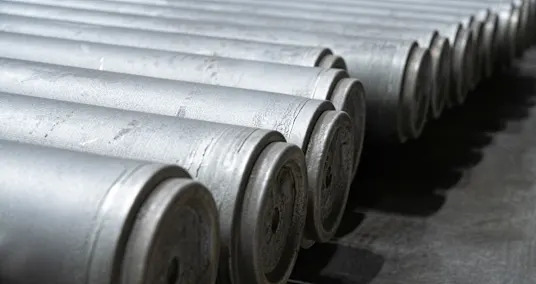
Fears of global aluminium shortages that could affect the production of clean energy technologies intensified after Iran struck two major Gulf aluminium producers, sending prices to a four-year high. The Middle East accounts for 9% of the world’s production of aluminum, which is essential to a wide range of industries from transportation, construction, and packaging, as well as the manufacture of solar panels, electrical transmission systems, wind turbines, and EVs.
Export shipments to the US and Europe had already come to a halt because of the effective closure of the Strait of Hormuz, and Morgan Stanley economists singled out aluminium as carrying a high level of risk across the value chain. Andy Farida, an aluminium analyst at Fastmarkets, told Semafor that high prices would be passed on to end-users, ultimately causing demand destruction. “A prolonged shutdown (with little to no alternative supplies other than Russia and China) could cripple the supply of aluminium to support the production of clean and green technology,” he said, adding that relief could come “if governments allow some sanctioned Russian and Chinese aluminium to be imported.”

latest_posts
- 1
 Tech for Efficiency: Applications and Apparatuses to Accomplish More
 - 2Geomagnetic storm grounds launch of Mars space weather satellites
- 3Putting resources into Yourself: Self-awareness Techniques
- 4Find the Interesting Universe of Computerized reasoning: the Capability of man-made intelligence
- 5Guaranteeing Quality Medical care with Federal medical care Benefit Plans.


- 6 Asian Urban areas to Visit
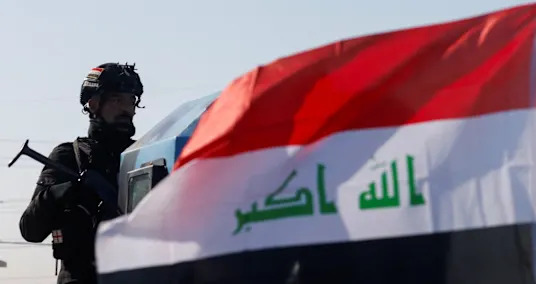
- Foreign journalist kidnapped in Iraq: Interior Ministry
- How a rare drug made from scientists' blood saves babies from botulism
- What loving-kindness meditation is and how to practice it in the new year
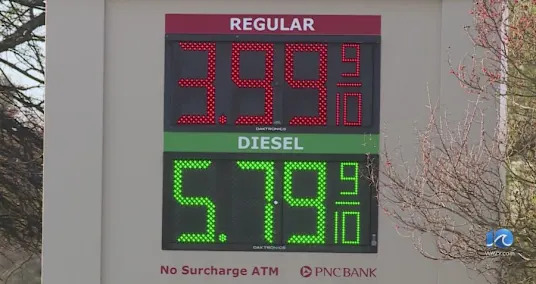
- Pain at the pump for Hampton Roads residents
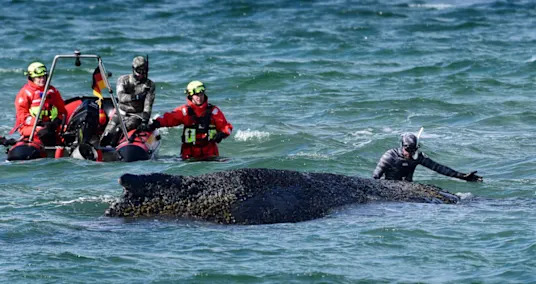
- It Shouldn’t Be Here: Rescuers Race to Save Whale Stranded in Rare Spot
- Vote In favor of Your #1 sort of film
- Creative Tech Contraptions That Will Work on Your Life
- Hundreds are quarantined in South Carolina as measles spreads in 2 US outbreaks