Divers have discovered a long-submerged wall some 7,000 years old under the sea off western France, scientists said Thursday.
Nearly 400 feet long, it was found off the Ile de Sein in Brittany along with a dozen smaller manmade structures from the same period.
"This is a very interesting discovery that opens up new prospects for underwater archaeology, helping us better understand how coastal societies were organized," Yvan Pailler, professor of archaeology at the University of Western Brittany, told AFP.
He co-authored a study on the find, published in the International Journal of Nautical Archaeology.
The structures were first spotted by retired geologist Yves Fouquet in 2017 on charts of the ocean floor produced with a laser system.
The wall is the biggest underwater construction ever found in France, BBC News reported.

Divers explored the site between 2022 and 2024 and confirmed the presence of the granite structures.
"Archaeologists did not expect to find such well-preserved structures in such a harsh setting," Fouquet said.
Dating from between 5,800 and 5,300 BC, they lie nine meters underwater and were built at a time when sea levels were much lower than today.
Researchers believe they may have been fish traps built on the foreshore, or walls to protect against rising seas.
The study says the structures reflect "technical skills and social organization sufficient to extract, move and erect blocks weighing several tons, similar in mass to many Breton megaliths," large stone arrangements used as monuments or for ceremonial purposes.
This technical know-how would predate the first megalithic constructions by several centuries.
The study's authors speculate the site may lie at the origin of local Breton legends of sunken cities, according to BBC News. One such lost city – Ys – was believed to lie in the Bay of Douarnenez, just a few miles to the east.
"It is likely that the abandonment of a territory developed by a highly structured society has become deeply rooted in people's memories," the study says. "The submersion caused by the rapid rise in sea level, followed by the abandonment of fishing structures, protective works, and habitation sites, must have left a lasting impression."
The discovery comes about six months after archaeologists found the remains of a 16th-century merchant ship more than 1.5 miles underwater off southern France, the deepest such find in the region.
Erika Kirk has one word for Candace Owens as she spreads conspiracy theories
Former Michigan football coach Sherrone Moore detained by police after firing
"Survivor" contestant on mission to prove his sister was murdered
latest_posts
- 1
 Germany and trade unions kick off tough public-sector wage talks
 - 2Don't miss these five impressive spots in Bangkok
- 3Fundamental Venture The board Apparatuses for Remote Groups
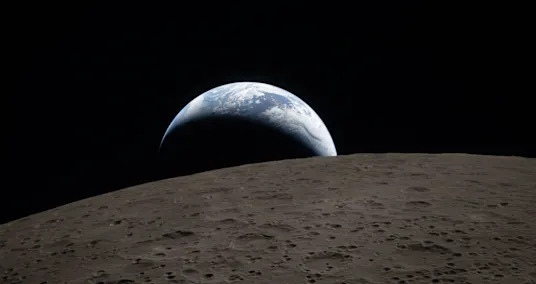
- 4Artemis II astronauts channel Apollo 8 with a striking Earthset photo
- 5The architect of Iran’s military survival remains defiant




- When fake data is a good thing – how synthetic data trains AI to solve real problems
- Intriguing Social Unesco World Legacy Locales All over The Planet
- Malaysia To Revive Search for Missing Flight MH370
- Why haven’t humans been back to the moon in over 50 years?
- Viable Correspondence: Building Solid Connections
- Potential Houthi threat to Red Sea shipping could further damage global economy
- Scientists document a death from a meat allergy tied to certain ticks
- Mossad unveils network of Hamas terror infrastructure across Europe
- Fundamental Home Exercise center Hardware: Amplify Your Exercises